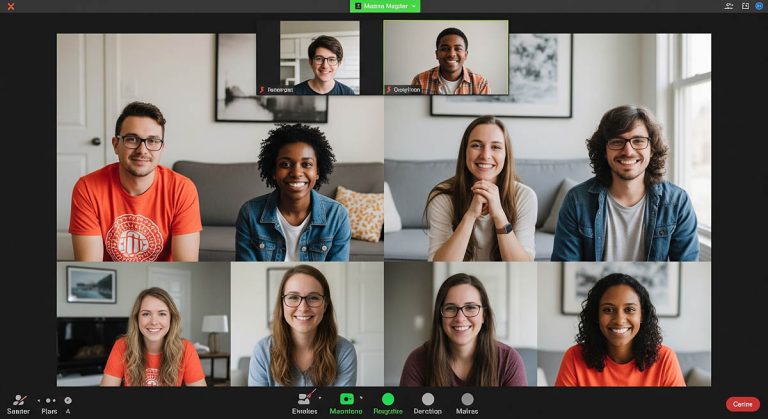
Most charities use Facebook in roughly the same way. They share updates, post photos from events, and occasionally ask for donations.

But some organizations manage to get far more from it. Their pages bring in donations, attract volunteers, and keep supporters actively involved in the cause.
In most cases, it is not about having a bigger budget or a larger team. What really makes the difference is having a clear strategy for how social media supports your fundraising.
In this article, we will explore some of the ideas and tactics that many successful charities use to engage supporters and encourage donations.
Tactic #1: Activate Your Supporters as Fundraisers
Facebook fundraisers can be useful for charities. But some of the most successful campaigns happen when supporters start fundraisers of their own and invite their personal network to support the cause.

This model is known as peer-to-peer fundraising.
The idea is simple. People are far more likely to donate when a friend asks them to support a cause. A message shared by a supporter carries personal trust that a charity page cannot easily replicate.
Two of the most common examples of peer-to-peer fundraising are birthday fundraisers and community challenge fundraisers.
Birthday fundraisers allow supporters to celebrate their birthday by raising money for a cause they care about. Instead of receiving gifts, they invite friends to make a small donation. These campaigns often reach people who may never have encountered the charity before.
Meanwhile, challenge fundraisers encourage supporters to take on activities such as running, cycling, or other personal challenges while raising sponsorship from the people in their lives.
Even small charities can benefit from this approach. It often starts with a small group of committed supporters.
Look for people who already engage with your organization. These might be volunteers, recurring donors, or supporters who regularly interact with your social media posts.
Reach out to them personally and invite them to host a fundraiser. Provide a short message they can share, a suggested fundraising goal, and simple instructions for getting started.
Even a handful of supporters fundraising within their own networks can introduce your cause to many people who might never have encountered it otherwise.
Tactic #2: Follow the 3:1 Content Rule
Social media platforms tend to show people the content they interact with most. If your page mainly publishes fundraising appeals, supporters may stop engaging with your posts over time.

A simple way to avoid this is to follow the 3:1 content rule. For every fundraising appeal you publish, aim to share three posts that focus on engagement rather than asking for donations.
These posts can take many forms. You might share behind-the-scenes moments from your work, stories from the people your charity supports, updates on the progress you are making, or questions that invite supporters to share their thoughts.
This kind of content helps supporters feel connected to your mission. When people regularly interact with your posts, your future updates are more likely to appear in their feeds. That means your fundraising appeals have a better chance of being seen.
Many established charities follow a similar approach. If you look at organizations such as WaterAid, their social media pages include a steady mix of storytelling, impact updates, and conversations with supporters. Fundraising appeals appear alongside these posts rather than dominating the feed.
A good starting point is to review the posts you have shared over the past few weeks. If most of them ask for donations, consider adding more stories, updates, and moments from your work before launching your next appeal.
Tactic #3: Use Facebook Live to Engage Supporters
Facebook Live offers charities a simple way to connect with supporters in real time. Instead of posting updates after something happens, you can bring your audience along while it is happening.

When supporters watch a live broadcast, they often feel more involved in the experience. They can comment, ask questions, and react to the stories being shared.
Some organizations use live broadcasts to share stories and updates from their work. St. Jude Children’s Research Hospital has used live video to speak with staff and highlight the experiences of patients and their families. Moments like these help supporters feel more connected to the cause.
Hosting a Facebook Live may seem intimidating for charities that have never tried live video before, but the good news is that there is no need for an elaborate production. Oftentimes, a team member sharing an update about the work you are doing is enough.
Of course, make sure to let your supporters know when the broadcast will happen and invite them to join the conversation. Over time, these sessions can help build stronger relationships with the people who support your work.
Tactic #4: Build a Community, Not Just a Following
One tool that many charities overlook is Facebook Groups.
Most organizations already have a Facebook Page where they share updates with followers. Groups work differently. Instead of simply posting content, they create a space where supporters can talk with each other, ask questions, and share why the cause matters to them.

Because people actively participate in these conversations, group posts often receive more engagement than standard page updates.
Instead of naming the group after your organization, consider building it around the cause you are working to address.
For example, a homelessness charity might create a group called “Housing Justice Advocates” instead of “[Charity Name] Supporters.” A charity focused on children’s education might start a group called “Parents Supporting Literacy.”
Groups like these attract people who care about the issue, even if they have not yet heard of your organization. As the group grows, many of these members may become supporters of your work.
The most important thing is to build a real sense of community. Encourage conversation by asking thoughtful questions and recognizing members who contribute to discussions.
You can also share updates or stories with the group before posting them elsewhere. This helps members feel that they are part of something meaningful.
A Facebook Group done well does not just grow your audience. It grows your movement.
Tactic #5: Expand Your Reach With Lookalike Audiences
Even charities with a small advertising budget can reach new supporters when they target the right audience. Facebook’s Lookalike Audience feature is one way to do this.

With this feature, you can upload a list of your existing donors, even a small list of around 100 to 200 email addresses. Facebook then finds other users who show similar patterns of behaviour and interests.
This allows you to show your ads to people who may not know your organization yet but are more likely to care about your cause.
Targeting people who are similar to your current donors often leads to stronger results than advertising to a broad audience. Since the audience is based on your own donor list, your message is more likely to reach people who care about the issue.
If your charity is new to paid advertising, start small. Upload a list of your current donors and test a Lookalike Audience campaign with a modest daily budget. Even a small test can help you understand which audiences respond best to your message.
Your existing supporters are not only helping your cause today. They can also help you reach the next group of people who care about the work you do.
Tactic #6: Make Your Pinned Post Count
This one is completely free, takes five minutes, and almost every charity in the world is getting it wrong.

The first time someone visits your Facebook Page, the post at the top is usually the first thing they see. That single post can influence whether they stay to explore your work or leave after a quick glance.
Many charity pages simply pin their most recent post. This might be an event reminder, a routine update, or a quick thank you to supporters. While these posts are useful, they may not always tell a new visitor what your organization is really about.
Charities that use their Facebook Page effectively often pin their most meaningful piece of content at the top and leave it there for a while. This might be a video that shares the story of someone your organization has helped or a post that shows the impact of your work.
When a visitor arrives on your page, this post helps them quickly understand the purpose behind your work and how they can get involved.
Go into your last 12 months of Facebook content right now. Find the post with the highest engagement, the most emotional power, the most compelling story. Pin it today. Commit to refreshing it every three to six months with something even stronger.
One pinned post. Potentially thousands of new donors who would otherwise have left without a second glance.
Your Charity Has Everything It Takes
All of the strategies in this playbook share the same goal. They help people understand why your work matters and how they can be part of it.

The charities that succeed on Facebook are not necessarily the ones with the largest teams or budgets. They are the ones that consistently share their stories, involve their supporters, and make good use of the tools available to them.
Chances are, your organization already has everything it needs to do the same. You have a mission that matters and stories that can help people understand the difference they can make.
Now it is simply a matter of putting these ideas into action.
Ready to Put This Playbook Into Action?
At Charity Marketing, we build Facebook strategies that don’t just grow pages — they grow movements. We work exclusively with charities, which means we understand the constraints you operate under and the extraordinary impact you are fighting to create.

You should not have to figure this out alone. Let’s build your strategy together.
You May Also Like